





Project Background
A homecare brand sought to benchmark the performance of a renovated dishwasher tablet against both their existing formulation and a key market competitor.
The objective was to understand how the renovated product performed during real household usage and whether the updated formulation delivered an improved consumer experience without compromising on cleaning performance or satisfaction.
Given the importance of natural usage conditions within the dishwasher category, the client required a methodology that would capture authentic consumer feedback during real-life loading, washing, and unloading occasions in the home environment.

Client Objectives
Our client required a strategic partner to deliver a quality-assured consumer test that would:
- Benchmark the renovated dishwasher tablet against the current formulation and a leading competitor
- Understand perceived cleaning performance across multiple usage occasions
- Evaluate consumer satisfaction, product superiority and purchase intent
- Capture feedback in real-time during natural household usage moments
- Identify strengths and weaknesses of each product across key performance attributes
Our Solution:
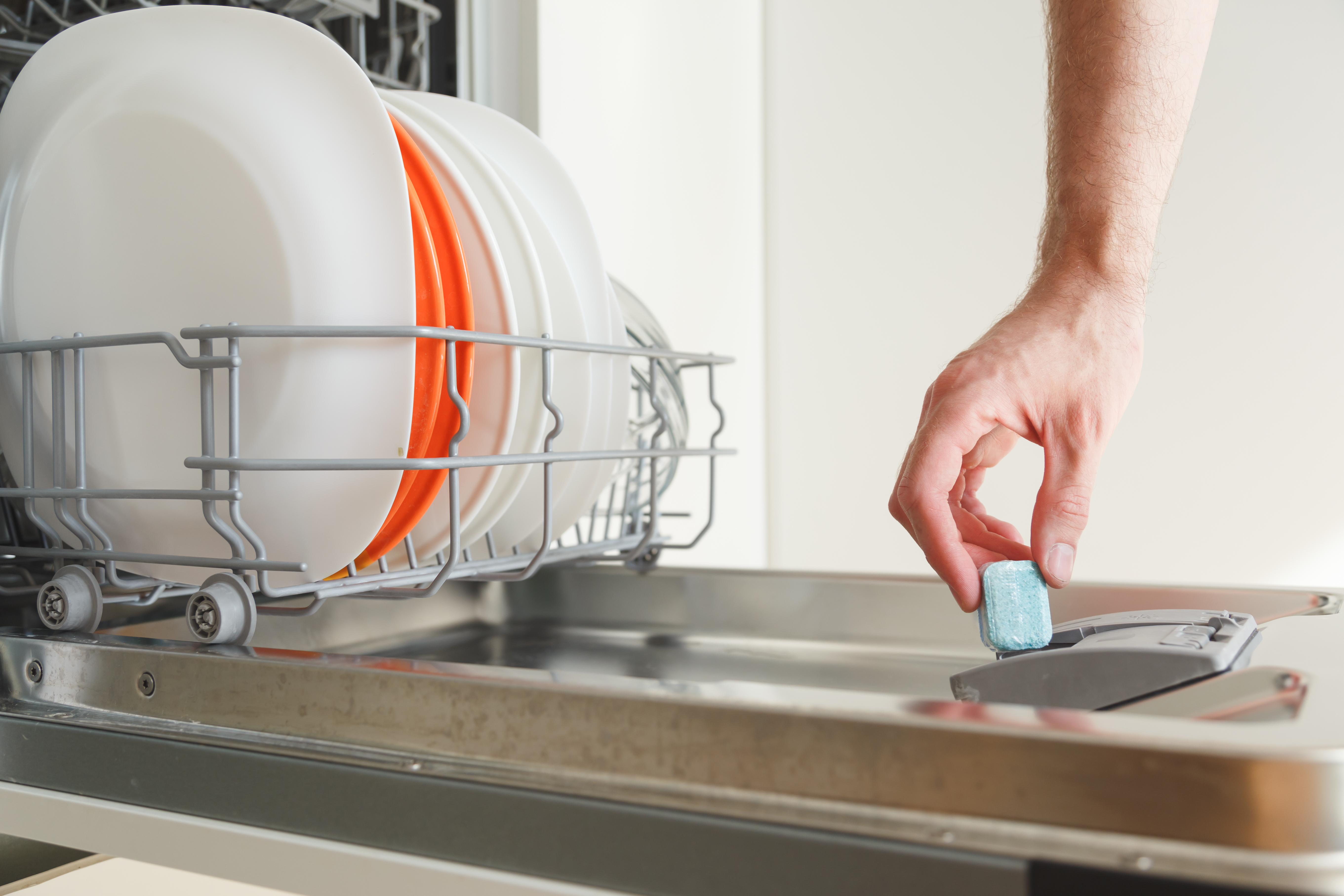
We designed and managed a structured In-Home Usage Test (IHUT) within one market using the Eolas FlexiCollect platform. Participants were recruited based on dishwasher ownership and regular category usage. Each participant received three dishwasher tablet samples:
– The client’s existing product
– The renovated formulation
– A leading competitor product
To ensure robust benchmarking, participants used each dishwasher tablet on three separate occasions within their normal household environment before completing evaluations through the FlexiCollect mobile app.
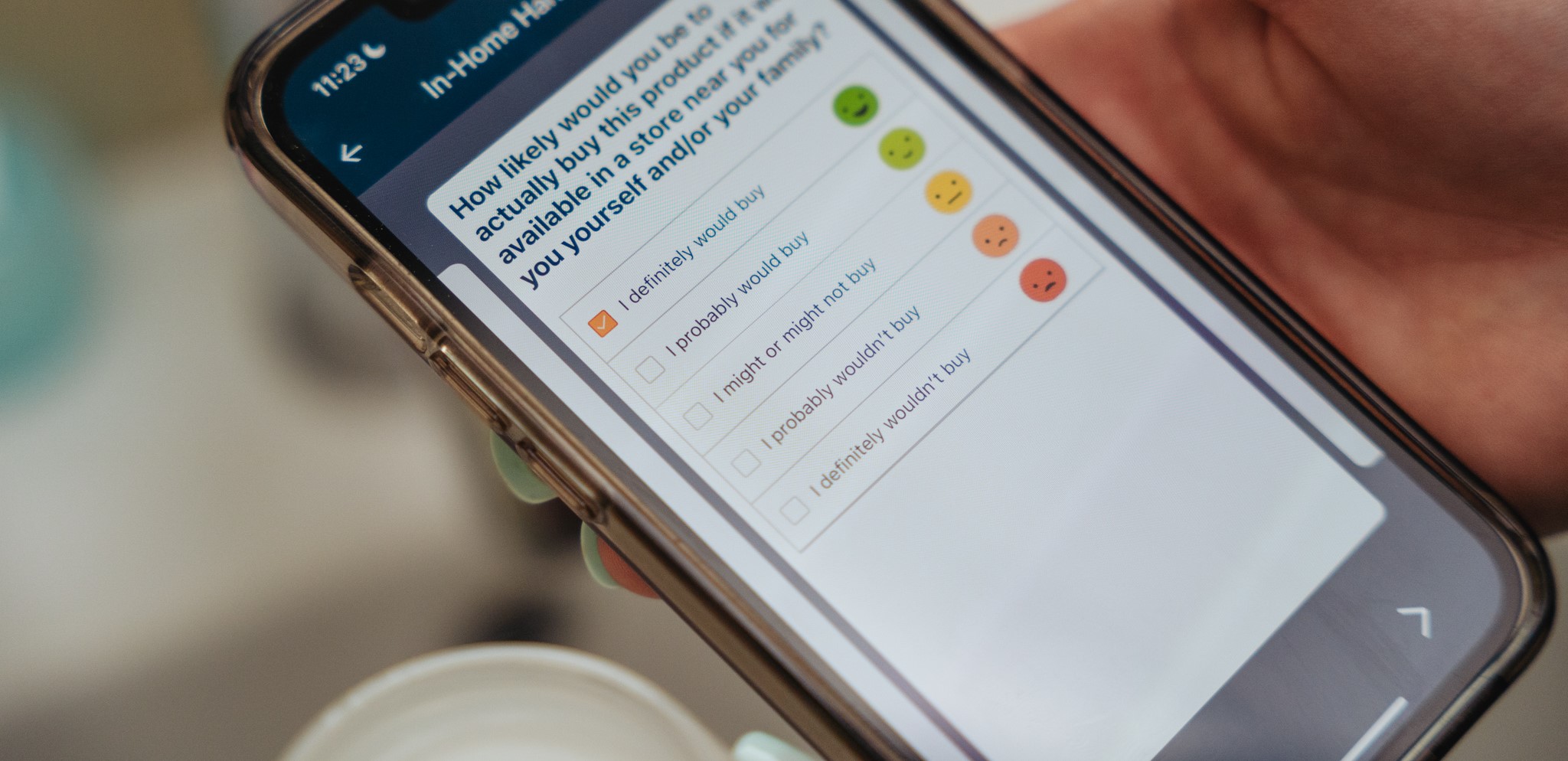
Using the app, consumers recorded detailed feedback in real-time following each wash occasion, assessing areas such as:
– Cleaning effectiveness
– Removal of tough stains and residue
– Shine and finish
– Ease of use
– Overall satisfaction
– Product preference and purchase intent
The study design allowed us to capture richer behavioural insights and more natural responses compared to traditional central location testing, while also enabling immediate data capture and streamlined reporting.